
Nam libero tempore, cum soluta nobis est eligendi optio
US-Iran Diplomatic Tensions Persist Despite Ongoing Talks
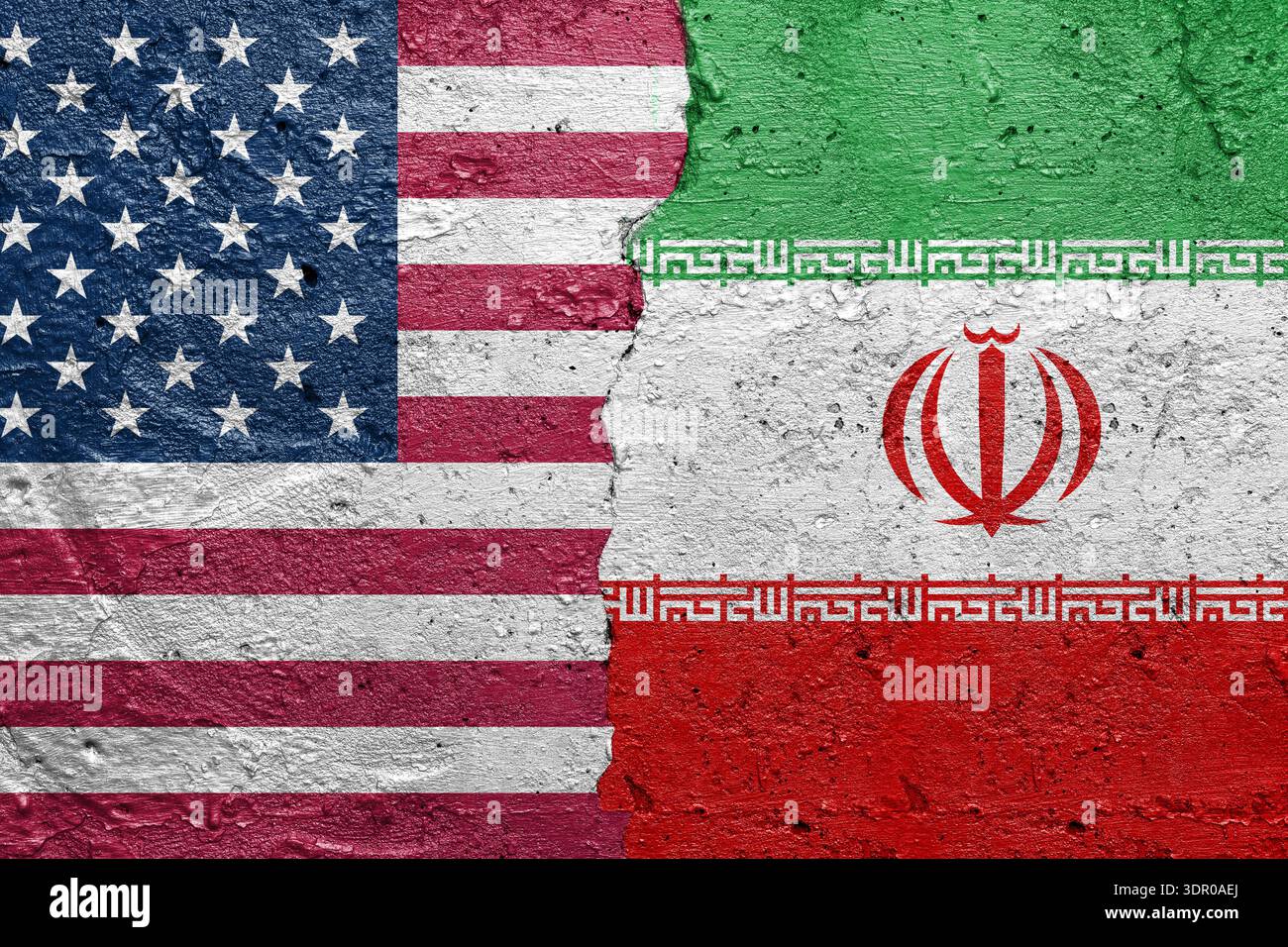
Following the first round of peace negotiations in Switzerland, a public disagreement has emerged between Washington and Tehran regarding the terms of a new agreement aimed at ending recent hostilities.
The Disputed Claims
The diplomatic friction centers on whether Iran has agreed to resume international nuclear inspections.
The US Position: Vice-President JD Vance stated that talks with the International Atomic Energy Agency (IAEA) could resume immediately, and Treasury Secretary Scott Bessent claimed Iran had committed to allowing inspectors back as part of a 60-day sanctions relief deal. President Donald Trump further suggested that Iran had agreed to "Major Weapons Inspections."
The Iranian Response: Iran’s Foreign Ministry spokesperson, Esmail Baqai, categorically denied making any "new commitments." Tehran maintains that any interaction with the UN nuclear watchdog will strictly follow existing domestic legal procedures established by their Parliament and the Supreme National Security Council. The IAEA has not yet issued a formal comment.
Sanctions Relief and The "Roadmap"
Mediators from Qatar and Pakistan announced that the US and Iran have established a 60-day roadmap to reach a final peace deal. To facilitate this, the US Treasury has issued an emergency 60-day license that significantly eases long-standing sanctions:
Oil and Trade: Iran is now permitted to sell crude oil and petrochemicals in US dollars, with the ability to export directly to the United States.
Economic Access: The waiver unlocks critical banking, insurance, and transportation networks previously restricted by the US embargo.
Regional Security Measures
Beyond nuclear concerns, the talks focused on regional stability:
Strait of Hormuz: Both nations have agreed to maintain communication channels to ensure the safe passage of commercial vessels through the strait.
Lebanon Ceasefire: Facilitated by Qatar and Pakistan, the US, Iran, and Lebanon have formed a "de-confliction cell" to help solidify the current fragile ceasefire between Israel and Hezbollah. Iranian Foreign Minister Seyed Abbas Araghchi described the situation in Lebanon as the "real test" of these negotiations.
A Fragile Foundation
The path forward remains volatile. President Trump issued a stern warning from the Oval Office, stating he would not hesitate to take further action if Iran fails to uphold its agreements. Additionally, the talks nearly collapsed on Sunday following aggressive rhetoric on social media from President Trump, which Vice-President Vance later attempted to frame as a response to Iranian provocation.
As talks continue, negotiating groups are being established to address specific issues, including nuclear oversight and the future of sanctions.