


Lorem Ipsum is therefore always free from repetition
Kākāriki Karaka: New Zealand’s Rarest Parakeet
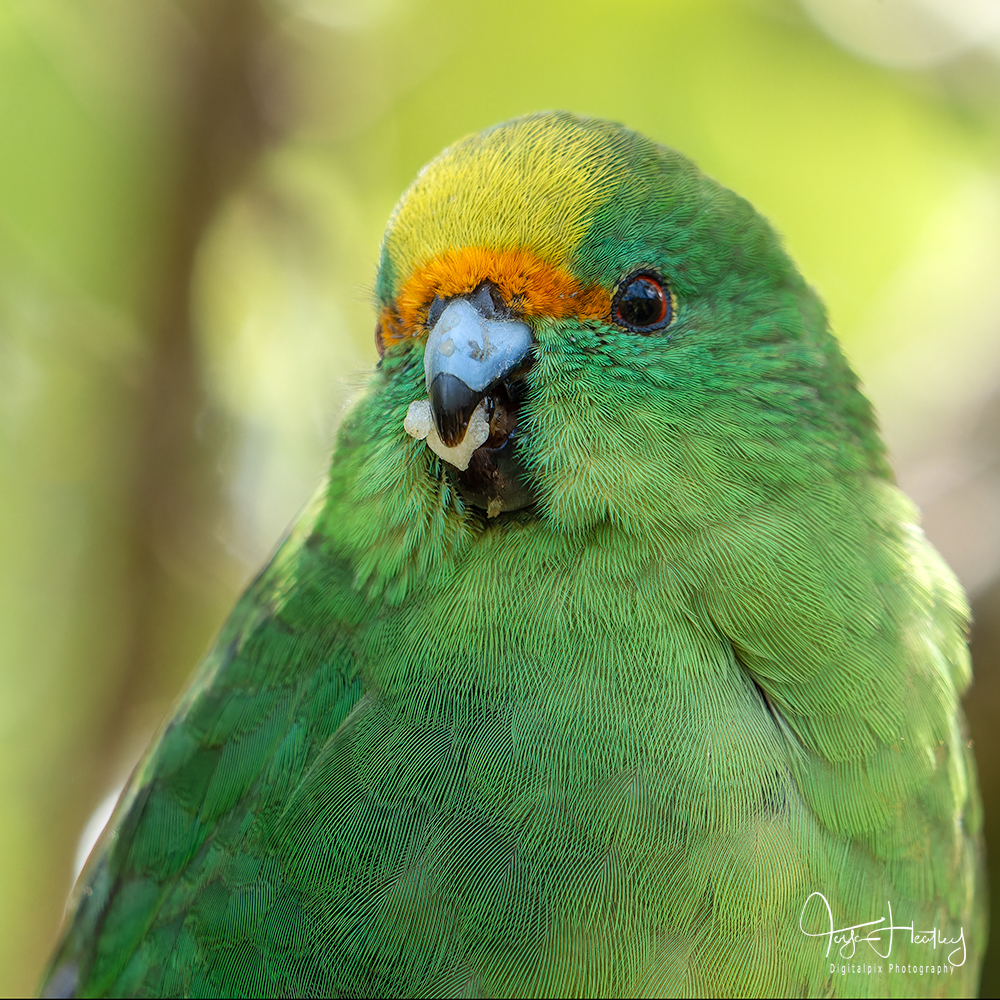
The Kākāriki karaka, or orange-fronted parakeet, is a small forest-dwelling bird distinguished by a vibrant orange strip above its beak. As New Zealand's rarest parakeet, it is currently on the brink of extinction, with only a few hundred remaining in the wild.
Key Facts
Population: Approximately 300–450 birds in the wild (numbers fluctuate naturally).
Status: Endemic to New Zealand; classified as "Threatened–Nationally Critical."
Primary Habitats: Alpine beech forest valleys in Canterbury (Hawdon and Hurunui South Branch), Ōruawairua/Blumine Island (Marlborough Sounds), Brook Waimārama Sanctuary (Nelson), and Pukenui/Anchor Island (Fiordland’s Tamatea/Dusky Sound).
Major Threats: Predation and habitat loss.
Conservation and Recovery Efforts
Once found throughout Aotearoa (New Zealand), these birds have faced significant population declines and have even been declared extinct twice in the past, only to be rediscovered later.
To ensure their survival, the Department of Conservation (DOC) works in partnership with Te Rūnanga o Ngāi Tahu. Under the Ngāi Tahu Claims Settlement Act 1998, Iwi representatives work alongside DOC staff, bringing centuries of mātauranga Māori (traditional knowledge) and core values like rangatiratanga (leadership), kaitiakitanga (guardianship), and manaakitanga (care) to the decision-making process.
Key Leadership: Yvette Couch-Lewis (ONZM) has represented her Iwi and collaborated with DOC for over 20 years. In 2021, she was awarded an Order of Merit for her exceptional contributions to the conservation of this species.
Programme Focus: The recovery efforts include intensive site monitoring, captive breeding programs, scientific research, and the identification of new, safe habitats for reintroduction.
Partners and Support
The survival of the Kākāriki karaka is supported by a network of dedicated partners:
Captive Breeding: The Isaac Conservation and Wildlife Trust and Orana Wildlife Park.
Additional Support: University of Canterbury, MainPower, RealNZ, Christchurch Helicopters, Formthotics, and the NZ Nature Fund (NZNF).
How to Help: If you wish to support these efforts, you can donate via the NZ Nature Fund (NZNF). As a charitable trust, the NZNF ensures that all donations are applied directly to the DOC’s official recovery programme, providing donors with independent assurance that their contribution is helping save this precious manu (bird).