

There are many variations of passages of Lorem Ipsum available
A New Hope: Kākāriki Karaka Translocated to Pukenui/Anchor Island
On March 5, 2025, a critical milestone was achieved in the effort to save the kākāriki karaka (orange-fronted parakeet) from extinction. A group of 34 captive-bred birds was successfully released onto Pukenui/Anchor Island, a predator-free sanctuary located in Fiordland’s Tamatea/Dusky Sound.
The Journey to Safety
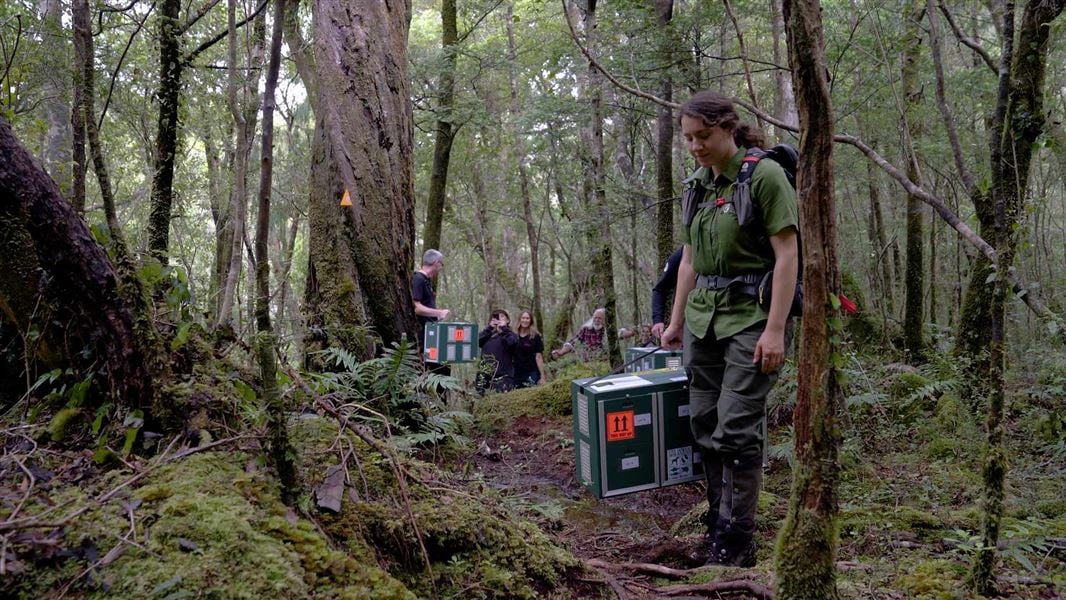
The birds were raised at The Isaac Conservation and Wildlife Trust and Orana Wildlife Park in Christchurch. Before their release, they spent two days in acclimatization aviaries on the island to adjust to their new environment. Their arrival was marked by a moving cultural ceremony, including karakia (prayers) and waiata (songs), led by representatives from the local iwi, Ōraka-Aparima Rūnaka.
Why This Move Matters
A Secure Haven: Because kākāriki karaka nest in tree hollows, they are extremely vulnerable to introduced predators like rats, stoats, and cats. Pukenui/Anchor Island provides a predator-free refuge where these birds can breed and thrive.
Long-term Recovery: This translocation is part of the Te Ara Mōrehu recovery strategy, which aims to establish ten self-sustaining populations within the Ngāi Tahu territory over the next 20 years.
Cultural Significance: For the Ngāi Tahu people, this is an emotional reconnection. Yvette Couch-Lewis, the Ngāi Tahu species representative, noted that for generations, their people have had little opportunity to observe these birds in the wild. Bringing them back to their natural environment is a vital step in restoring their presence in Aotearoa.
Collaborative Success
The success of this complex operation relied on the support of various partners and donors:
Partners: The Department of Conservation (DOC), Te Rūnanga o Ngāi Tahu, The Isaac Conservation and Wildlife Trust, and Orana Wildlife Park.
Funding: Generous donations from RealNZ—specifically funds raised at their 2023 Conservation Ball—and Formthotics were essential for the translocation and the ongoing monitoring of the birds.
Continued Support: The recovery program continues to be backed by organizations such as Canterbury University and MainPower.
Background
With only about 450 birds remaining in the wild, the kākāriki karaka is the rarest forest bird on the New Zealand mainland. Having been declared extinct twice in the past (1919 and 1965) before being rediscovered in the late 1980s, these birds are a precious taonga (treasure). Pukenui/Anchor Island is an ideal site for this population, as it already supports other threatened species, such as the kākāpō.
"Kākāriki karaka are our smallest parrots, but they have a great deal of mana and are proof that the best things can come in small packages." — Yvette Couch-Lewis, Ngāi Tahu Species Representative